The Psychology of Calm Spaces
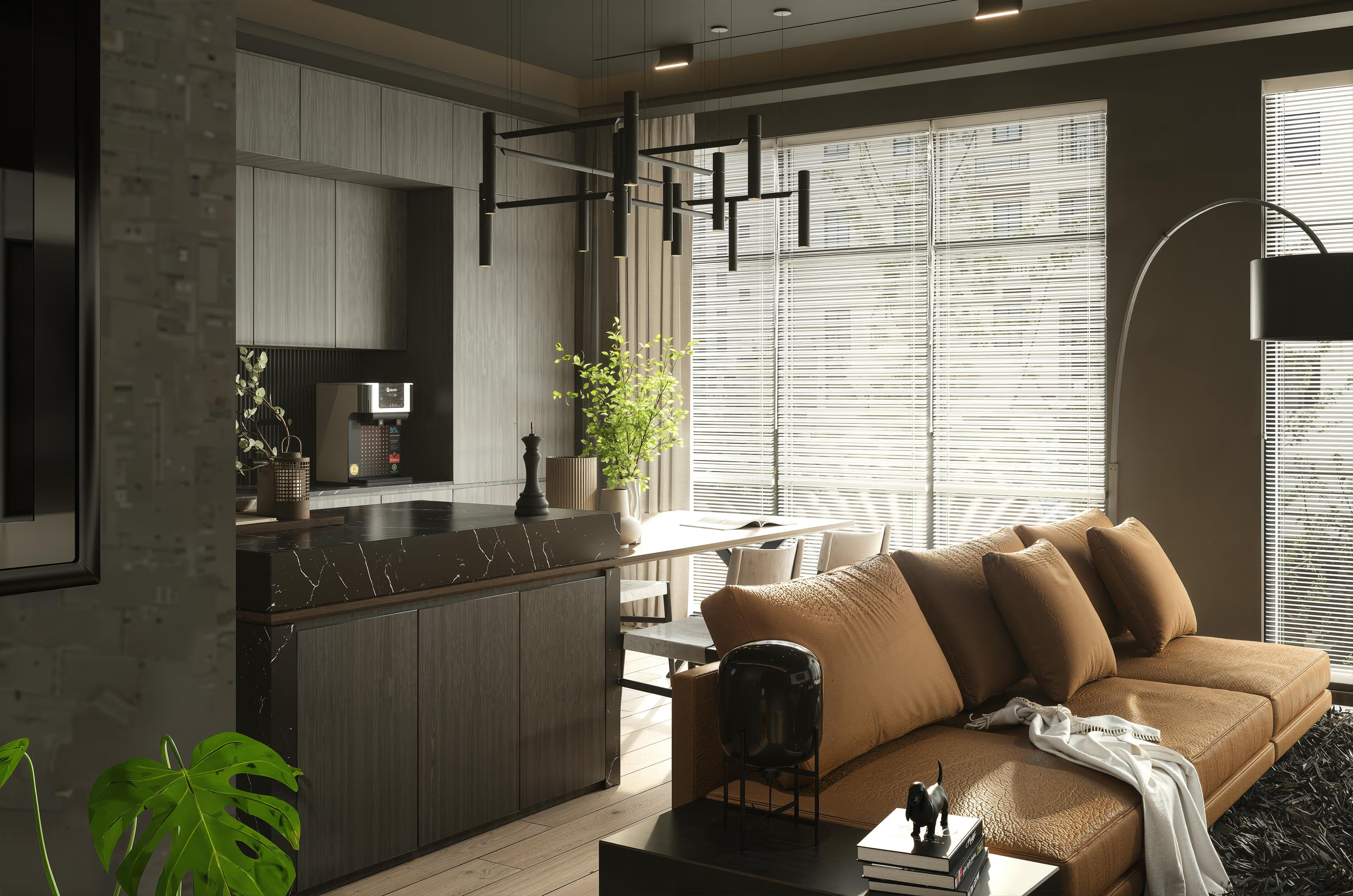
The feeling of a space is often shaped by the things we notice the least.
Natural light moving through a room, the warmth of materials underfoot, the way spaces flow into one another, these details quietly influence how we feel within a home long before we consciously think about its design.
There’s a reason some spaces immediately feel calming and grounding, while others can feel overstimulating or cold. More and more, designers are focusing not only on how a home looks, but on the atmosphere it creates and the emotional experience of living within it.
Materiality plays a huge role in this. Natural stone, textured finishes, warm timber and layered fabrics bring softness and depth to interiors in a way that feels comforting rather than overly polished. Spaces that feel calm often have a certain restraint to them too, nothing feels unnecessary or visually overwhelming.
Spatial flow is equally important. Homes that feel intuitive to move through tend to create a greater sense of ease in everyday life. Open sightlines, softer transitions and a connection between indoor and outdoor spaces all contribute to that feeling.
What’s becoming increasingly clear is that people are drawn to spaces that make them feel something. Not just visually beautiful homes, but homes that feel warm, balanced and genuinely good to be in.
Often, it’s the quieter spaces that leave the strongest impression.
Want to go further with colour?
The free Alira Colour Guide walks through each of these five questions in depth, with specific guidance on reading undertones, testing at scale, and building a whole-home palette. Delivered to your inbox immediately.